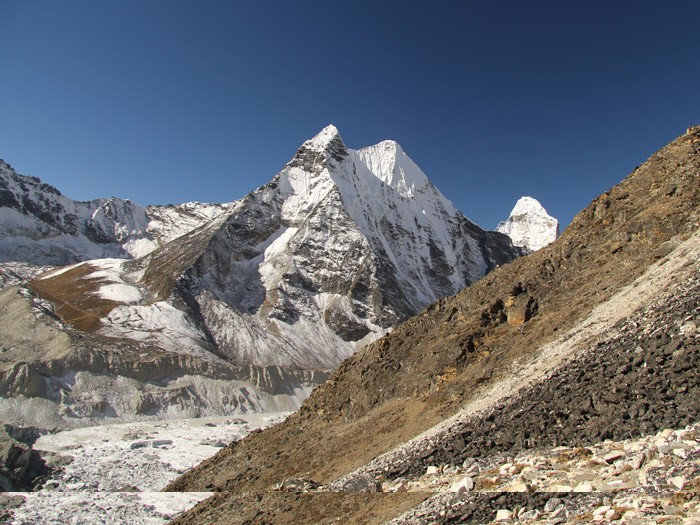
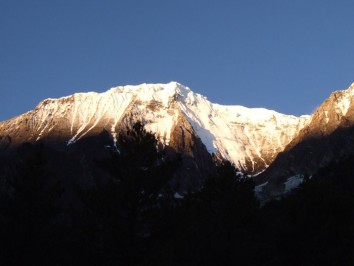
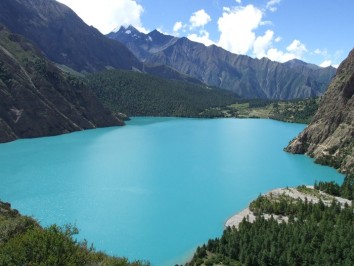
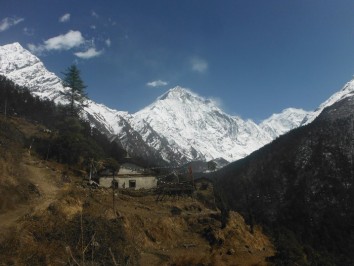
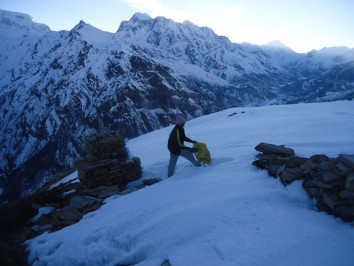
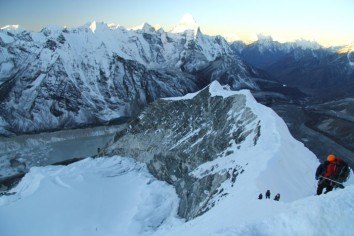
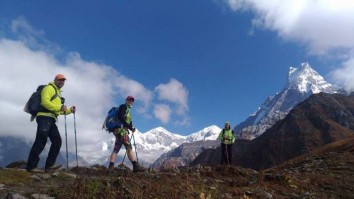
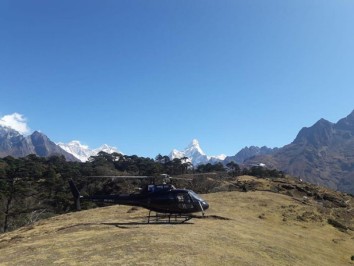
The Island Peak Climbing expedition in Nepal (6,189m) is one of the most popular Himalayan climbing adventures, perfectly combined with the classic Everest Base Camp Trek for an unforgettable high-altitude experience. This thrilling journey takes you through the heart of the Khumbu region, flying to Lukla, trekking through famous Sherpa villages like Namche Bazaar, Tengboche, Dingboche, Lobuche, and Gorakshep, and standing at the legendary Everest Base Camp before crossing Kongma La Pass and reaching Island Peak Base Camp and High Camp. With stunning views of Mount Everest, Lhotse, Nuptse, Ama Dablam, and Makalu, climbers experience a perfect blend of trekking and mountaineering in the Everest Himalayas. Island Peak, also known as Imja Tse, is ideal for beginner climbers seeking their first Himalayan summit while still offering technical excitement with glacier travel, fixed ropes, and snow ridges. This fully supported Island Peak climbing package includes acclimatization days, professional climbing guides, camping at base camp, and carefully planned ascent routes to ensure safety and success. If you are searching for the best Island Peak Climbing itinerary, Everest Base Camp with Island Peak summit, or a beginner-friendly Himalayan peak climbing adventure in Nepal, this trip delivers breathtaking scenery, cultural richness, and a true mountaineering achievement in one extraordinary journey.
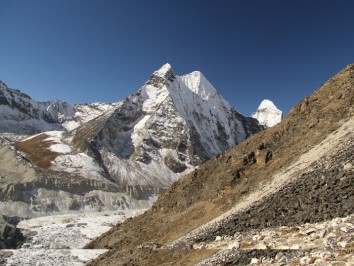
Himalayan region is always renowned destinations for trekking and mountaineering. With the elevation of 6189m, Island Peak is one of the most popular and easy peaks which can be climbed with less technical knowledge and no prior experience. Situated amidst Imja Glacier, Lhotse glacier and Lhotse Shar glacier in the Imja valley of Everest Region; Island peak or Imja Tse Peak offers the spellbound view of serene landscape and coruscating peaks: AmaDablam, Mt Makalu, Lhotse, etc from the top.
Island peak climbing package is specially customized for the beginners as well as veteran mountaineers and trekkers who prefer to experience trekking and mountaineering in same package. Peak climbing is an adventurous activity which demands physical and mental fitness; beside that, climbers must have well equipped gears and should know how to use it. We provide you the certified, well trained and humanly guides who teach everything required while climbing peaks. The expedition has abundant of acclimatization days plus there is also facility of regular health check up so that you can comfily and successfully surmount the peak.
Island peak climbing commences with 30-40 minutes of scenic mountain flight from Kathmandu to Lukla. The journey then follows the EBC and Everest Three Passes Trekking trails tracing through villages: Namche, Pangboche, Dingboche, Lobuche, Gorakshep before landing at Everest Base Camp. The journey offers the pristine scenery and dazzling mountains throughout the trails. The greenish ambience, serene landscape, traditional villages, sunrise-sunset and snow-clad peaks appear elegantly glorious from the destinations like Everest Base Camp and Kala Patthar. The adventurous expedition first ascends to EBC before climbing Island peak so that the trekkers gain some experience of proper oxygen intake and high elevation walk. The adventurous journey from EBC drops towards Kongma La and then Chukkung crossing the icy moraine and boulders. The expedition is not just Tea-House Trek; we take shelter in camp at Island Base Camp and High Camp for final preparation.
Trekking in the Himalayas is always the blissful as well as challenging. The 21 days journey of Island Peak climbing also offers the enormous experience and nostalgic feeling which remains till the last moment of life. Peak climbing is not just an adventure; it is overcoming the risk in life. If you don’t challenge the challenge, you will never learn to win. Be optimistic and try our top selling trip Everest Base Camp trek and Island Peak climbing.
After your safe landing at TIA, one of the representatives of MMT warmly welcomes you at the Airport Terminal. Then, you will be taken to MMT office at Kaldhara and given all the further detail information about the expedition. Finally, the authorized representative safely and comfortably place you at the respective hotels. In the evening, you can enjoy the city night life in Thamel; main tourist hub of Kathmandu.
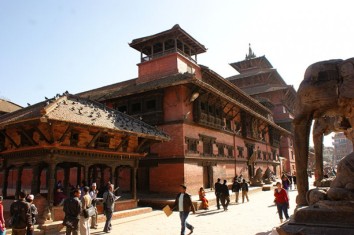
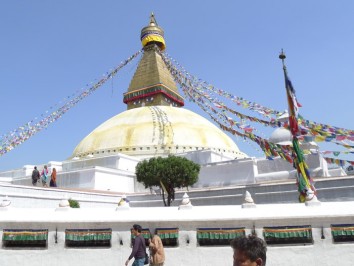
City of Gods and Goddess, Kathmandu, is best known for sacred Hindus and Buddhist Shrines, art, culture and tradition. This day is scheduled to visit the UNESCO listed World Heritage sites including: Swayambhunath, Patan Durbar Square, Bouddhanath, Pashupatinath, along with other historical and holy places. After delightful breakfast in the morning, our city tour guide takes you to Swayambhunath which is at the top of the hillock to the west of Thamel. Swayambhunath is one of the oldest temples of Nepal which is popular among foreigners as ‘Monkey Temple’. The spherical dome at the top, Huge Bajra, holy stupas, shrines, Mani wheels and reckless monkeys are the center of the attraction of Swayambhunath visit. The excursion then accelerates towards Patan, the city of festival, feast, art and culture. The city is prominent place to visit due to ancient Patan Durbar square, Krishna Mandir, Ganesh mandir and many more temples and places. Patan Durbar Square and Krishna Mandir were slightly damaged by earthquake and renovation work is still progressing. The main highlight of the tour is inspection of art, history, cultural importance and architectural craftsmanship on the wall, door and windows of temples or houses. Boudhanath is next destination of city tour which lies at northeast of Kathmandu. The stupa of Boudha is one of the largest spherical stupas in Nepal and is mostly visited by the Buddhist and Hindus pilgrims throughout the year. Another most exciting place to visit in Kathmandu is Pashupatinath temple, the oldest temple in Nepal. This temple of lord Shiva is one of the sacred temples of Hindus living in every nook and corner. Non-Hindus are not allowed to enter inside the premises of the temple however one can capture the photos of the traditional cremation ceremony and temple from the opposite bank of the holy Bagmati River. This tour bestows you a souvenir of cultural and architectural prolificacy. The guides then take you back to your own hotel after the city excursion. Get refreshed and prepare gears or luggage for the trek on next day.
The expedition commences with 30-40 minutes scenic mountain flight from Kathmandu (TIA) to Lukla (Tenzing-Hillary airport); the gateway to the Himalayas. Lukla airport is the highest airport in Nepal and also one of the most dangerous airstrips in the world with just a single runway over a cliff. The journey to the Himalayas begins after registering Entrance card at Lukla Tourism Check point. The trail then formally commences entering through Pasang Lhamu Sherpa Memorial gate and crosses through suspension bridge over Dudh Koshi River before Chelpung. With the first introductory view of Mt Khumbila (5,761m), we ascend from Cheplung to. The trail continues to the first stop of the trek: Phakding, offering spectacular demonstration of the prayer wheels, mantras painted Mani stones and sacred monasteries. It takes about 1-2 hours of inclined walk to reach the village Phakding.
After warm breakfast, today’s journey commences from Phakding. The route to Namche is so enchanting though it is a long and tiring walk. The trail from Phakding leads to various Sherpa villages: Rimijung, Zamfute, Benkar and Chhamuwa which offers serene beauty in the Himalayan region. Register your Khumjng Entrance card at Chhamuwa and climb through the magnificent forest of rhododendron, fir and Mongolia trees until you arrive at the boarder of Sagarmatha National Park at Monjovillage. Submit your Entrance card and National park entry card before you move ahead. From Monjo, the trial advances through Tenzing-Hillary suspension bridge over Dudh-Koshi River in Jhorsale village which is the confluence of Dudh-Koshi and Bhote-Koshi rivers. The day concludes at Namche, the largest tourist hub in Everest region. Namche has all the amenities to spend the night at fully accommodated hotel.
The day at Namche will be the day for exploration and acclimatization. Health expertise suggests acclimation is necessary in Everest region trek to avoid Acute Mountain Sickness (AMS). On this day, the guides arrange short trek from Namche to other Sherpa settlements in the Khumjung valley. The short trip heads towards the Everest view hotel, one of the world’s highest hotels in the world offers serene scenery and panoramic view of Mt. Khumbila (5,761m), Mt. Thamserku (6,623m), Mt. Everest (8,848m), Lhotse (8,516m) and Ama Dablam (6,812m).The trail then climbs uphill to Khumjung and Knude for the inspection of Khumjung Gompa and Khumjung Hillary school which was established by Sir Edmund Hillary in 1961. After that, drop down to another Sherpa village, Kunde which is renowned for ‘Hillary hospital’. The hike from Kunde to Namche lands at Syangboche airstrip on foot. The airstrip is a non-commercial airport and has unpaved narrow runway which is only used by helicopters to carry trekkers if they fall sick, injured or on special demand. Enjoy the breath-taking picturesque scenery of Namche village from the runway. The trail follows the zigzag gravel path to Zarok and finally to Namche. Get refreshed at Namche and save energy for the remaining trek. Plea: During acclimatization at Namche, avoid unhygienic food, beer, alcohol or other beverages. It may risk your health and increase chances of AMS.
The journey resumes in the early morning after delicious breakfast at Namche. The trail then ascends uphill for few hours through dense juniper forest and Sherpa village Kyangjuma and reaches at Sanasa; the fork from where Gokyo lake on left and Everest Base Camp on your right departs. The trail afterward offers the glorious view of towering peaks Ama Dablam while descending down to the villages: Lawichasa and Tashinga via dense juniper forest. Then, step downward to Phunki Thanga; a beautiful village which offers the magnificent view of clustered houses beside DudhKoshi river, hermitages, army barrack, water driven prayer wheel and green hills under blue canopy. Walking through the dense and tall rhododendron forest and suspension bridges for about 2 hours from Phunki Thanga, we reach at Tengboche. The village has the largest Gompa (monastery) of this region: Tengboche Gompa, which performs sacred Mani Rimdu festival in the month of October-November. Overnight, stay at a lodge at Tengboche.
From Tengboche, we follow the stone paved trail for 15-20 minutes before reaching at Debuche where we visit Debuche Nunnery for the spectacular glimpse of Thangka paintings, Mural paintings, and architectural richness. We also learn the devotion and aestheticism of monks’ and Nuns’. The trail then traces towards the junction of Pangboche through the dense forest and suspension bridges over the surging Imja River. From here, we follow the arid landscape and boulder trail with the closer view of Ama Dablam Peak (6856m) and finally comes across the flat trail ahead Orso. We ascend from Orso following the alternative path and after few minutes, we cross Pheriche pass (4,270m) and heads to Pheriche for today’s shelter.
This day is scheduled for acclimatization. Today, we organize short hike up-to view-points for tranquil scenery and coruscating peaks’ view. Pheriche is famous for the elementary health camp that is run under Himalayan Rescue Association (HRA). The health camp provides emergency health service and training about AMS to the trekkers. Learn about AMS and take plenty of rest and day off to ease the limbs and muscles.
After having warm and delicious breakfast at Pheriche, the trail inclines upward through rough boulders and moraine under Chola glacier. Tracing Phulaji Khala, the trail marches ahead towards a ridge and then halts at confluence from where we forge to Thokla Pass crossing a suspension bridge. Situated just below the Khumbu glacier, Thokla Pass offers the pristine close-up view of Awi Peak (5,245m). From the Pass, we walk for an hour to reach at today’s destination: Lobuche.
The Longest trial of Island Peak climbing traces from Lobuche through narrow mountains’ gap and glacial moraine alongside the world’s highest Khumbu glacier. After walking for 2-3 hours through boulder path, we get at the last human settlement, Gorakshep. Gorakshep is the junction from where the path separates to Kalapatthar and EBC. From Gorakshep, the trail now follows the sand pit and boulders trail which makes the trek more strenuous. After 2 hours of intense walk, we reach at Everest Base Camp. Once you land at the Base camp (5,364m), all the pain will be faded away by the sense of victory and the tranquil scenery of Khumbu ice fall, sparkling view of peaks like Nuptse, Lhotse, etc. Observe the 360-degree Himalayan range, celebrate your victory, pose for the photo, take rest and get saturated before heading back to Gorakshep.
One of the highlights of the expedition after EBC is side trip to Kala Patthar summit (5,644m). It almost takes 2-3 hours to reach at Kala Patthar from Gorakshep. We begin our trek before dawn hoping to catch up mesmerizing sunrise view, elegant scenery and the gleaming view of Mt. Everest (8848m) along with Lingtren (6,749m), Khumbutse (6,636m), Nuptse (7,861m), Pumori (7,161m) from the top of Kala Patthar summit. After spending some moment at the peak, we drop down to Gorakshep for breakfast. From Gorakshep, the journey from land of Himalayas descends the same route towards the Sherpa village Lobuche.
The difficult trail of Island Peak climbing is from Lobuche to Chukkung. After delicate breakfast, we descend downward to Kongma La crossing moraine boulder alongside Khumbu glacier. The trail afterward steeps-up to High-camp (5,758m) then bends at the ridge from where we descend to the icy trail alongside Nuptse glacier. Following the alternative rough path from the confluence Langbho, we finally reach at Chhukung. The village is just beneath the Chhukung peak which offers the stupendous view of: Lhotse, Ama Dablam, Makalu, Baruntse. The place is the last human settlement of Island Peak Trail.
Today’s journey is short, exciting yet difficult. At Base Camp, there are no tea houses or lodges therefore we need the food, water, tents and other necessary things laden to Base Camp. From Chukkung, we walk for few hours and then climb towards the south through the moraine formed by Lhotse Glacier. After walking for few hours opposite to the Imja Tsho, we reach at Island Peak Base Camp alongside Imja Glacier and Lhotse Shar Glacier. At night, we enjoy the experience of spending night inside tent at Base Camp.
Early in the morning, we begin our expedition after having warm and delicious breakfast. The walk from Base Camp to High Camp is inclined uphill and we need to rest at several points. At some moment, there might be use of ropes, axe and crampons while ascending to the high camp. The cold temperature, icy breeze and low oxygen level may hinder the limbs from stepping higher. Don’t give up! The dream is at your legs. After short trek from Base Camp to High Camp, we have plenty of time remaining for preparation and proper rest. The guides will help you and train you before climbing Island Peak. Overnight, stay in tent and enjoy the warm food made by the guides and helpers.
The day is the most important day of our expedition and your life. It is the day to make your dream comes true. The expedition begins in the early morning and we have to accomplish the expedition before noon as there is risk of windy storm in the afternoon. From high camp, we ascend the rocky steps and reach at the wide gully. The climb is not that much difficult; yet the crevasses, rocks and ridges make the expedition risky. Always be cautious and ask for assist if any problem or obstacles occur during the climb. From this point of the peak, we need to use ropes, axe and crampons. The final climb to the summit is strenuous and steep so we also need to use ladder to scale the summit (6,189m). After successfully surmounting the peak, enjoy the achievement and capture the serene landscape; tantalizing peaks; and tranquil scenery. The journey from the top now descends down to Island Base Camp and then-after to Chukkung following the rocky boulders, moraine, icy crevasse. The expedition today halts at Chukkung for tea house accommodation.
From Chukkung, the Island Peak expedition now drops back following the alternative trail to Yak herdsmen’s place Bibre. With the gleaming view of Lhotse on the right and Ama Dablam on the left, we descend to Dingboche. The trail from here follows the downhill path alongside Imja River offering coruscating snow-clad massifs and tranquil scenery. After crossing suspension bridge ahead Orso, we descend towards Somare and then Pangboche following arid landscape and rocky boulders. The accommodation of this day will be at sacred village: Pangboche.
Today we drop down from one of the sacred villages of Khumbu region: Pangboche, after having exquisite breakfast. We cross suspension bridge and trace the villages Milingo, Debuche and Tengboche from where we continue downwards to Phunki Thenga. With the magnificent view of water driven prayer wheel from the suspension bridge, the trail twists and turns and halts at Sanasa; a fork from where the trial departs to Gokyo Lake, Khumjung Valley or Khyangjuma village. Our trail descends towards Khyangjuma village and Namche Bazaar. From here, we descend to Khyangjuma and then Namche to National Park headquarter. Cross Larja bridge above Jhorsalle which is the confluence of Bhote Koshi and Dudh Koshi river and exit through the National Park check point and stop at Monjo for today’s accommodation.
The journey from Monjo begins after having delicious breakfast in the early morning. Crossing suspension bridges at Chhamuwa and one before Bengkar village, we descend along DudhKoshi River tracing through the Sherpa villages: Phakding, Nurning, Ghat, Thadokoshigaon, Cheplung and Thalsharoa. From the junction of Thalsharoa, we head to Lukla for cozy accommodation and delicious cuisine before departing to Kathmandu.
The expedition concludes after 30-40 minutes scenic flight from Lukla to Kathmandu. Shift your seat to opposing direction than your previous flight for the overall view of daunting landscape. After landing at TIA, you will be transferred to your respective hotel. Shower your soaked body with warm water, arrange your luggage and check your passport, tickets and other important belongings before final departure.
This day marks as back up day to adverse domestic flight Kathmandu to Lukla and from. Simply relax and involve other personal interest of tourist attraction things.
After breakfast, check out your room at 12pm and transfer to Tribhuwan International airport for departure flight.
Island Peak Climbing (6,189m), also known as Imja Tse, is one of the most popular Himalayan peak climbing adventures combined with the Everest Base Camp Trek, perfect for beginners and adventure seekers.
Island Peak is considered a moderate climbing peak, suitable for trekkers with good fitness and basic mountaineering skills. Prior trekking experience is highly recommended.
Basic climbing experience is helpful but not mandatory. Professional guides provide training on rope techniques, ice axe use, and glacier travel at base camp.
The best seasons are spring (March–May) and autumn (September–November) when weather conditions and visibility are ideal.
Island Peak stands at 6,189 meters (20,305 feet) in Nepal’s Everest region.
Yes, most itineraries include the famous Everest Base Camp Trek and Kala Patthar viewpoint for full Himalayan experience.
The standard Island Peak Climbing itinerary takes around 18 to 21 days, including acclimatization and summit day.
You need a Peak Climbing Permit, Sagarmatha National Park Permit, and Khumbu Rural Municipality Permit.
Teahouse lodges are used during trekking days, and tents are used at Island Peak Base Camp and High Camp.
Yes, but proper acclimatization days at Namche Bazaar and Pheriche significantly reduce risks when guided professionally.
Most packages include three meals a day during trekking and full board meals during camping days.
Temperatures can drop to -15°C to -25°C at higher camps, especially early morning on summit day.
A good level of cardiovascular fitness, stamina, and ability to hike 6–8 hours daily is recommended.
Yes, insurance must cover high-altitude trekking, climbing, and helicopter evacuation.
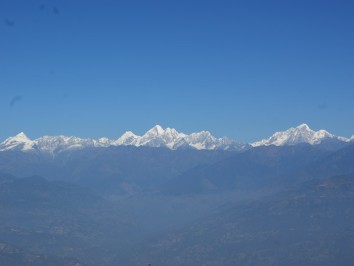
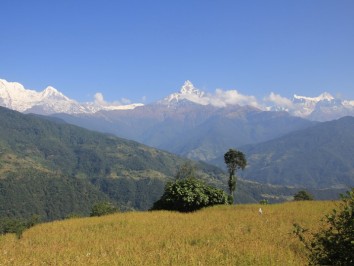
You’ll enjoy panoramic views of Mount Everest, Lhotse, Nuptse, Makalu, Ama Dablam, and Baruntse.
Yes, it is considered one of the best beginner Himalayan peaks with professional support.
With proper acclimatization and good weather, success rates are very high, especially in peak seasons.
Crampons, ice axe, harness, helmet, ropes, warm clothing, and mountaineering boots are required (often provided or rented).
Yes, itineraries can be customized based on time, fitness level, and additional trekking routes.
Island Peak offers the perfect combination of Everest trekking, cultural experience, glacier climbing, and a true Himalayan summit in one adventure.
During the Island Peak Climbing expedition, trekkers enjoy full board meals, including breakfast, lunch, and dinner, ensuring proper nutrition and energy for high-altitude trekking and climbing. Breakfast typically includes eggs, porridge, pancakes, bread, and tea or coffee. Lunch is served as noodles, rice, dal bhat (traditional Nepalese lentil curry), soups, or sandwiches, while dinner often features rice, vegetables, dal, curry, and hot beverages. At Island Peak Base Camp and High Camp, meals are prepared by professional camp cooks with a focus on high-calorie, easy-to-digest foods suitable for mountaineering. Snacks like energy bars, chocolates, and nuts are also recommended to maintain energy during summit days. Proper nutrition is vital for Island Peak summit success, acclimatization, and overall health.
Accommodation during the Island Peak Climbing 2026/27 expedition is a mix of teahouses, lodges, and tented camps. On the trekking route from Lukla to Chhukung, trekkers stay in cozy teahouses and lodges offering basic rooms with warm blankets and shared bathrooms. At Island Peak Base Camp and High Camp, climbers stay in tents with mattresses, organized by the expedition team. These camps provide shelter, hot meals, and resting areas after long climbing days. Experienced guides ensure proper tent setup, sleeping arrangements, and safety equipment for a comfortable high-altitude climbing experience.
Maintaining safe drinking water and hygiene is crucial during the Island Peak Climbing expedition. Trekkers are advised to drink 3–4 liters of water per day to stay hydrated at high altitude. Water should be boiled, filtered, or treated with purification tablets at both trekking and base camps. Most teahouses provide bottled or filtered water for a small fee. Hygiene facilities at teahouses are basic, including shared bathrooms; at base and high camps, climbers use portable toilets or camp setups. Carrying personal hygiene items like biodegradable soap, hand sanitizer, and wet wipes is highly recommended. Proper hygiene and safe water consumption significantly reduce the risk of altitude-related illness and gastrointestinal problems during the climb.
The Island Peak Climbing expedition (Imja Tse – 6,189m / 20,305ft) follows a gradual high-altitude trekking and climbing route, carefully designed for acclimatization and summit success:
| Day | Route | Altitude (m) | Trekking/Climbing Time |
|---|---|---|---|
| Day 1 | Arrival in Kathmandu | 1,300 | – |
| Day 2 | City tour & trek preparation | 1,300 | – |
| Day 3 | Kathmandu → Lukla → Phakding | 2,610 | 3–4 hrs |
| Day 4 | Phakding → Namche Bazaar | 3,440 | 6–7 hrs |
| Day 5 | Acclimatization in Namche | 3,440 | 4–5 hrs local hike |
| Day 6 | Namche → Tengboche | 3,870 | 6–7 hrs |
| Day 7 | Tengboche → Pheriche | 4,230 | 6–7 hrs |
| Day 8 | Acclimatization in Pheriche | 4,230 | 3–4 hrs short hike |
| Day 9 | Pheriche → Lobuche | 4,910 | 4–5 hrs |
| Day 10 | Lobuche → Gorakshep → EBC → Gorakshep | 5,364 | 8–9 hrs |
| Day 11 | Gorakshep → Kala Patthar → Lobuche | 5,550 | 5–6 hrs |
| Day 12 | Lobuche → Kongma La → Chhukung | 5,535 → 4,730 | 8–9 hrs |
| Day 13 | Chhukung → Island Peak Base Camp | 5,200 | 3–4 hrs |
| Day 14 | Base Camp → High Camp | 5,600 | 2–3 hrs |
| Day 15 | Summit Island Peak → Base Camp → Chhukung | 6,189 → 4,730 | 9–10 hrs |
| Day 16 | Chhukung → Pangboche | 3,930 | 6–7 hrs |
| Day 17 | Pangboche → Monjo | 2,835 | 7–8 hrs |
| Day 18 | Monjo → Lukla | 2,845 | 5–6 hrs |
| Day 19 | Lukla → Kathmandu | 1,300 | – |
This high-altitude profile ensures climbers gradually adapt while experiencing iconic Himalayan views, including Everest, Lhotse, Nuptse, Ama Dablam, and Makalu.
Proper acclimatization is critical for a safe and successful Island Peak summit:
Day 5 (Namche Bazaar): Short hikes to nearby viewpoints, exploring Sherpa villages, and resting to allow altitude adaptation
Day 8 (Pheriche): Acclimatization day with short hikes to local ridges, observing glaciers and practicing climbing skills
Base Camp & High Camp: Slow ascent with overnight stays at Base Camp (5,200m) and High Camp (5,600m) before summit attempt
Summit Strategy: Start early (around 2–3 AM) to reduce fatigue and altitude exposure, descend immediately to Base Camp after the climb
Following this acclimatization plan minimizes altitude sickness and ensures energy for Island Peak summit day.
Altitude sickness (Acute Mountain Sickness – AMS) can occur above 3,000m. Prevention strategies for Island Peak include:
Ascend gradually, following “climb high, sleep low” principle
Stay hydrated (3–4 liters/day) and eat high-carb meals
Avoid alcohol and heavy physical exertion on the first day at high altitude
Take rest days at Namche and Pheriche
Monitor symptoms: headache, nausea, dizziness, or fatigue
Use medications like Acetazolamide only under medical guidance if required
Descend immediately in case of severe symptoms or HACE/HAPE warning signs
Following these measures ensures safe high-altitude climbing on Island Peak.
Safety is a priority during the Island Peak expedition. The emergency plan includes:
Experienced certified climbing guides for monitoring altitude, weather, and health
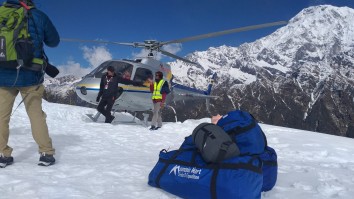
Helicopter evacuation service from Lukla, Namche, or Pheriche for severe illness or injury
First aid kits and portable oxygen available at Base Camp and High Camp
Mobile satellite communication for emergency support
Insurance recommendation: valid travel insurance covering high-altitude trekking, climbing, and helicopter rescue
Immediate descent plan for any climber experiencing severe AMS, HACE, HAPE, or injuries
With proper planning, guides, and communication, Island Peak Climbing is conducted safely even at extreme altitudes, giving climbers peace of mind throughout the expedition.
Foreigners other than Indian citizen, who intend to visit Nepal must hold a valid passport prior to applying for a Nepal visa. The passport must have six months validity from the date of arrival. Foreigners can obtain a Nepalese visa upon arrival at Kathmandu airport, or at a border immigration office. One recent copy of a passport size color photo is required to apply for Tourist Visa to Nepal. Mountain Mart Trek has listed Nepal visa information tips for travelers to Nepal.
A foreigner who has departed before the expiry of the period specified in the visa issued in a visa year shall not be allowed to use the visa by adding the remaining period to another visa year. If any foreigner who has entered Nepal towards the end of a visa year desires to extend his/her stay into the new visa year, he/she may do so by purchasing another visa for the New Year. Provided, however, that the computation of the fees for such period shall be made on the basis of the total period of the stay.
An application for a Tourist Visa must be submitted in the format referred to in Appendix 1.
A Nepali visa issued abroad is valid for entry for three to six months from the date of issue. True -
Citizens of the following countries should be issue visa in their own country to Nepal embassy and consulate.
Afghanistan, Cameroon, Ethiopia, Ghana, Iraq, Liberia, Nigeria, Palestine, Somalia, Zimbabwe.
No foreigners except Indians are entitled to Nepal without a valid visa.
Visas can be obtained from the following immigration offices in Nepal:
A copy of the Visa Form is available for use at the end of this document that avoids you long queue to pick up the Nepal visa form at the international airport.
The fees payable only in USD dollars for obtaining a visa on arrival at any border are as follows:
The fees payable (only in local Nepali currency) to extend the duration of your stay, or to renew a visa are:
A transit visa for one day can be obtained from Nepal's immigration offices at an entry point upon the production of a departure flight ticket via Tribhuvan International Airport in Kathmandu. The fee is US$ 5 or equivalent convertible currency. A transit visa may not be extended.
A Nepali Visa can be obtained from Nepal Embassy / Consulate Offices in your country, or upon arrival at Kathmandu airport. It is also possible to obtain the visa from other border points of entry. You'll need 1 passport photo each time.
For foreign investors, a business visa with a multiple entry facility for a period of one year or five years can be obtained from the Department of Immigration on the recommendation of the Department of Industry and Commerce by paying US$ 100 and US$ 250 or equivalent convertible foreign or Nepali currency.
Note: While we try to make the information contained herein as accurate as possible, we accept no responsibility for any loss, disruption or inconvenience sustained by anyone using this information.
Foreign visitors are requested to keep a note of the dates on their Nepalese visa and their passport number to avoid possible problems. Visa extensions need to be applied for, within the valid period of the Nepalese visa.
You are requested to ensure that you get the arrival/departure stamps on your passport at the entry /exit points to avoid possible legal complications.
Living in Nepal without a passport or a valid visa is a punishable offence.
Deviation from the prescribed trekking routes mentioned on your trekking permit will be treated as a violation of the law.
You are advised to be aware of brokers/cheaters and counterfeit documents or visa/trekking permits to avoid legal complications.
Change of purpose of your stay without permission is not allowed and employment or voluntary services while on a tourist visa is strictly prohibited. It will be a punishable offence.
Be certain to register at the police and Immigration check points along any trail. It would be wise to register your trekking destination and schedule at your Embassy or Consulate.
If you encounter problems along the trails, immediately inform the nearest police or Immigration post officials.
You are requested to change money with recognized dealers and do not forget to take and keep formal receipts.
You are requested to inform the officials at an Immigration Office or Police Station of any changes in the address previously given in your visa application form or disembarkation card, and within seven days.
If, as a tourist, your stay is more than 120 days in one visa year and you wish to visit additional places for longer than 24 hours, you must register at the local police office of such places, your name, passport number and address.
You are advised to be mindful to contact the Department of Immigration to request a visa transfer in the case of getting a new passport or travel document from your embassy, and within seven days.
Passport and trekking permits should be kept by each trekker while trekking.
Filming in restricted or notified areas without permission is strictly prohibited.
Please do not take out the visa stickers from your passport and do not try to change records printed in your passport.
We request your co-operation in observing the following guidelines during your stay in Nepal. Respect local traditions, customs, values and sentiments, help to protect local culture and maintain local pride.
Indian citizens are permitted to travel in Nepal provided they have any one of the following documents:
Passport; Driving license with photograph; Identity card with photograph issued by a governmental body; Ration card with photograph; Voter identity card with photograph; Registration certificate issued by the Indian embassy to Indian citizens residing in Nepal; Ad hoc/temporary identity cards issued by the Indian embassy to the Indian citizen in the event of exigency; Document with photograph and setting out identity, issued by the sub-divisional magistrate or authority there above.
| Department of Immigration Kalikasthan, Dillibazar, Kathmandu. |
|
| Tel : | 977 - 01 - 4433934 / 4429660 / 4438862 / 4438868 |
| Fax : | 977 - 01 - 4433935 |
| Email : | mail@nepalimmigration.gov.np |
| Web : | http://nepalimmigration.gov.np/ |
| Sunday to Thursday | 10:30 a.m. - 17:00 p.m. in Summer |
| 10:30 a.m. - 16:00 p.m. in Winter (Nov. to Jan.) | |
| Friday | 10:30 a.m. -15:00 p.m. |
| Sunday to Thursday | 10:30 a.m. - 15:00 p.m. |
| Friday | 10:30 a.m. - 13:00 p.m. |
Note: All of the information above is based on information from the Department of Immigration of Nepal’s office and may be found on their website.
All trekkers are required to carry a Trekkers' Information Management System card (TIMS card). It is available from the Tourist Services Centre in Kathmandu: Sun – Fri 10:00 – 13:00 and 14:00 – 17:00. It is free, but requires two passport photographs. (Trekking agencies provide the cards for their clients.) Show it at check points on trekking routes.
Trekking Permits are required for all treks that pass through Conservation Areas or National Parks.
Conservation Area permits can be purchased at the Tourist Services Centre for Rs 2000 plus two photographs.
National Park entry tickets cost Rs 3000 and require no photograph. Purchase at the Department of National Parks and Wildlife Conservation office Sun – Fri 09:00 – 14:00 only (next to the Tourist Services office).
Restricted Area Permits are required mainly for camping style trekking in remote areas near the Tibetan border – for which a guide is strongly recommended. They can only be purchased for two or more trekkers. The permits are issued by the Central Immigration Office, require two working days, your original passports (not facsimiles) and two photographs. Costs range from US$10/week to US$500/10 days plus substantial additional amounts for each additional day. These will be procured by your chosen trekking agency. Offices are open daily, but with restricted hours on Saturdays.
The foreign tourist visiting Nepal shall be granted the tourist visa.
The tourist visa shall be granted for a period in maximum of 150 days in a visa year (Visa years means January to December).
A tourist who has departed before the expiry of the period specified in the visa issued in a visa year shall not be allowed to use the visa by adding the remaining period to another visa year.
If any foreigner who has entered into Nepal towards the end of a visa year desires to spend even the period during which he may stay in Nepal with the tourist visa of the other visa year, he may use such facility.
Provided, however, that the computation of the fees for such period shall be made on the basis of the total period of his stay.
Note: Above information is based on Department of Immigration of Nepal office.

Lightweight trekking shirts (long & short sleeve)
Thermal base layers for warmth during high-altitude days
Fleece jacket or down vest for layering
Insulated down jacket for Base Camp and High Camp
Softshell or hardshell trekking pants
Waterproof rain jacket & pants (Gore-Tex recommended)
Trekking socks (3–4 pairs, moisture-wicking)
Gloves: light trekking gloves + insulated mountaineering gloves
Hat & balaclava for sun and wind protection
Sun hat & sunglasses (UV protection for snow glare)
Gaiters to keep snow and debris out of boots
Sturdy trekking boots (waterproof and broken-in)
Mountaineering boots for glacier travel and summit day
Camp shoes/sandals for evening comfort
Crampon-compatible boots for summit climb
Climbing harness certified for mountaineering
Helmet for rock and ice protection
Crampons for icy terrain (usually compatible with boots)
Ice axe for ascent and descent on steep snow slopes
Carabiners, slings, and belay device (provided by guides or rented)
Ascender/jumar (for fixed rope sections)
Trekking poles (collapsible) for balance and reducing knee strain
Headlamp with extra batteries for early summit start
Backpack (40–50L) for day trips to Base/High Camp
Sleeping bag (-20°C / -4°F recommended) for Base/High Camp
Sleeping mat for insulation in tents
Water bottles / hydration system (3–4 liters)
Water purification tablets / filter
Sunscreen (SPF 50+) & lip balm
Personal toiletries: biodegradable soap, wet wipes, toothbrush, towel
First aid kit including blister care and altitude sickness meds
Prescription medicines if needed
Camera & spare batteries for Himalayan photography
Lightweight daypack (15–20L) for summit day
Snacks / energy bars / nuts for extra energy
Notebook or journal
Satellite phone or personal locator (if desired for emergencies)
Layering is key: temperatures vary from 20°C in Lukla to -20°C at High Camp
Avoid overpacking; guides usually carry tents, cooking equipment, and group gear
All climbing gear can often be rented in Kathmandu or Lukla, reducing baggage weight
Island Peak Climbing 2026/27 remains one of the most sought‑after Himalayan peak climbing expeditions in Nepal, combining the classic Everest Base Camp Trek with the thrilling ascent of Imja Tse (6,189 m). If you’re planning your peak climbing adventure for 2026 or 2027, the best seasons to climb Island Peak are the spring (March to May) and autumn (September to November) windows, when weather conditions are most stable, skies are clear, and summit success rates are highest. Summit attempts during April and October consistently deliver the best visibility of Everest, Ama Dablam, Lhotse, and surrounding peaks, ideal for climbers seeking breathtaking panoramas and safe climbing routes.
During spring 2026/27, warmer daytime temperatures and firm snow conditions help climbers acclimatize faster, with rhododendron forests in bloom on the lower trail sections. In autumn, post‑monsoon clear skies and cool nights create excellent conditions for both trekking and the final high‑altitude climb.
Monsoon (June–August) is generally not recommended due to heavy rainfall, muddy trails, and avalanche risks, while winter (December–February) brings extreme cold, deep snow, and technical difficulties that make climbing suitable only for very experienced mountaineers.
Permits for Island Peak Climbing 2026/27 include the Island Peak Climbing Permit from the Nepal Mountaineering Association (NMA), Sagarmatha National Park entry permit, and local Khumbu Pasang Lhamu Rural Municipality fee — all typically arranged by your trekking agency.
Planning early is key: climbers should secure permits, Lukla flights, and guided expedition spots well in advance, especially for peak months like April and October, as these dates fill up quickly every season.
Island Peak Climbing (6,189m / 20,305ft), also known as Imja Tse, is considered a moderate to challenging Himalayan climbing expedition, suitable for trekkers with good physical fitness and basic mountaineering skills. The trek involves long daily walks of 5–8 hours, steep ascents, and glacier travel during summit day. Summit attempts require fixed rope climbing, use of crampons, ice axe, and negotiating snow ridges, making it more technical than standard trekking but beginner-friendly compared to higher Himalayan peaks.
Cardiovascular Fitness: Regular jogging, cycling, swimming, or stair climbing 3–4 times per week
Hiking Practice: Multi-day hikes with a loaded backpack (10–15kg) to simulate trekking conditions
Leg & Core Strength: Squats, lunges, step-ups, and core exercises to endure long ascents and descents
Endurance: Long hikes or treadmill sessions to build stamina for 6–10 hour trekking days
High Altitude Preparation: If possible, train at higher altitudes to acclimatize before the expedition
Technical Skills: Practice using trekking poles, crampons, and basic rope techniques (often guided before summit day)
Following a structured training plan greatly increases summit success rate and reduces fatigue and risk of injury during the expedition.
Climb with certified mountain guides who monitor altitude, weather, and health conditions
Follow the principle of “Climb High, Sleep Low” to reduce the risk of altitude sickness
Stay hydrated (3–4 liters/day) and eat high-energy meals
Wear proper climbing gear: helmet, harness, crampons, ice axe, and insulated clothing
Monitor altitude sickness symptoms: headache, nausea, dizziness, shortness of breath
First Aid: Guides carry complete first aid kits, including oxygen for emergencies
Helicopter Evacuation: Available from Lukla, Namche, Pheriche, or Base Camp for severe illness or injury
Communication: Satellite phones or local SIM cards for emergency contact
Altitude Sickness Response: Descend immediately if severe AMS, HACE (high-altitude cerebral edema), or HAPE (high-altitude pulmonary edema) symptoms appear
Weather Safety: Avoid summit attempts in extreme weather conditions; guides assess snow, wind, and avalanche risks
Insurance Requirement: Valid travel insurance covering high-altitude trekking, climbing, and helicopter evacuation is mandatory
By following these safety and emergency guidelines, climbers maximize both summit success and personal safety, ensuring a rewarding Island Peak experience in Nepal.
Booking your Island Peak Climbing expedition in Nepal is simple, secure, and traveler-friendly. To confirm your spot on this Everest region climbing adventure, a minimum deposit of 20–30% of the total trek cost is required. The remaining balance can be paid before the trek starts in Kathmandu via cash, bank transfer, or other agreed payment methods.
All bookings should be made well in advance, especially for peak climbing seasons in spring (March–May) and autumn (September–November), as permits, flights, and guide availability are limited. Once your expedition is confirmed, you will receive a detailed itinerary, packing list, and pre-climb briefing to ensure a smooth and safe journey from Lukla to the Island Peak summit.
Deposit: 20–30% of the total package cost to secure your reservation
Remaining Balance: Paid in Kathmandu before trek departure
Payments cover Island Peak Climbing Permit, Sagarmatha National Park Permit, local fees, professional climbing guides, camping gear, and logistical support
Cancellations 30+ days before departure may qualify for a partial refund (after deducting permit fees and other non-refundable costs)
Last-minute cancellations or no-shows may not be refundable
We recommend travel insurance to cover unforeseen events such as illness, injury, or flight delays
Expedition dates can often be modified based on availability and weather conditions
Guides and organizers provide support for flexible scheduling to accommodate reasonable changes
All climbers must have valid travel insurance covering high-altitude trekking, mountaineering, and helicopter evacuation, which is mandatory for safety during the Island Peak climb.
Response Time 3 Hours , Response Rate 100%
Enjoy the popular trekking and tour packages in Nepal Himalayas. 2026.

The Island Peak Climbing expedition in Nepal (6,189m) is one of the most popular Himalayan climbing adventures, perfectly combined with the classic Everest Base Camp Trek for an unforgettable high-altitude experience. This thrilling journey takes you through the heart of the Khumbu region, flying to Lukla, trekking through famous Sherpa villages like Namche Bazaar, Tengboche, Dingboche, Lobuche, and Gorakshep, and standing at the legendary Everest Base Camp before crossing Kongma La Pass and reaching Island Peak Base Camp and High Camp. With stunning views of Mount Everest, Lhotse, Nuptse, Ama Dablam, and Makalu, climbers experience a perfect blend of trekking and mountaineering in the Everest Himalayas. Island Peak, also known as Imja Tse, is ideal for beginner climbers seeking their first Himalayan summit while still offering technical excitement with glacier travel, fixed ropes, and snow ridges. This fully supported Island Peak climbing package includes acclimatization days, professional climbing guides, camping at base camp, and carefully planned ascent routes to ensure safety and success. If you are searching for the best Island Peak Climbing itinerary, Everest Base Camp with Island Peak summit, or a beginner-friendly Himalayan peak climbing adventure in Nepal, this trip delivers breathtaking scenery, cultural richness, and a true mountaineering achievement in one extraordinary journey.
Himalayan region is always renowned destinations for trekking and mountaineering. With the elevation of 6189m, Island Peak is one of the most popular and easy peaks which can be climbed with less technical knowledge and no prior experience. Situated amidst Imja Glacier, Lhotse glacier and Lhotse Shar glacier in the Imja valley of Everest Region; Island peak or Imja Tse Peak offers the spellbound view of serene landscape and coruscating peaks: AmaDablam, Mt Makalu, Lhotse, etc from the top.
Island peak climbing package is specially customized for the beginners as well as veteran mountaineers and trekkers who prefer to experience trekking and mountaineering in same package. Peak climbing is an adventurous activity which demands physical and mental fitness; beside that, climbers must have well equipped gears and should know how to use it. We provide you the certified, well trained and humanly guides who teach everything required while climbing peaks. The expedition has abundant of acclimatization days plus there is also facility of regular health check up so that you can comfily and successfully surmount the peak.
Island peak climbing commences with 30-40 minutes of scenic mountain flight from Kathmandu to Lukla. The journey then follows the EBC and Everest Three Passes Trekking trails tracing through villages: Namche, Pangboche, Dingboche, Lobuche, Gorakshep before landing at Everest Base Camp. The journey offers the pristine scenery and dazzling mountains throughout the trails. The greenish ambience, serene landscape, traditional villages, sunrise-sunset and snow-clad peaks appear elegantly glorious from the destinations like Everest Base Camp and Kala Patthar. The adventurous expedition first ascends to EBC before climbing Island peak so that the trekkers gain some experience of proper oxygen intake and high elevation walk. The adventurous journey from EBC drops towards Kongma La and then Chukkung crossing the icy moraine and boulders. The expedition is not just Tea-House Trek; we take shelter in camp at Island Base Camp and High Camp for final preparation.
Trekking in the Himalayas is always the blissful as well as challenging. The 21 days journey of Island Peak climbing also offers the enormous experience and nostalgic feeling which remains till the last moment of life. Peak climbing is not just an adventure; it is overcoming the risk in life. If you don’t challenge the challenge, you will never learn to win. Be optimistic and try our top selling trip Everest Base Camp trek and Island Peak climbing.
| Day 1 | Arrival At TIA Kathmandu |
| Day 2 | City Excursion and Trek Preparation |
| Day 3 | Kathmandu (1,300m/4,265ft) to Lukla (2,845m/9,333ft) to Phakding (2,610m/8,562ft) |
| Day 4 | Phakding (2,610m/8,562ft)- Namche (3440 m/11,285ft) |
| Day 5 | Acclimatization and Exploration day |
| Day 6 | Namche (3,440m/11,285ft) to Tengboche (3,870m/12,696ft) |
| Day 7 | Tengboche (3,870m/12,696ft) – Pheriche (4,230m/ 13,877ft) |
| Day 8 | Acclimatization day at Pheriche |
| Day 9 | Pheriche (4,230m/ 13,877ft) – Lobuche (4,910m/ 16,108ft) |
| Day 10 | Lobutse (4,910m/16,108ft) – Gorakshep (5,160m/ 16,928ft) - Everest Base Camp (5,364m/ 17,600ft) – Gorakshep |
| Day 11 | Gorakshep (5,160m/16,928ft) - Kalapatthar (5,550m/18,207ft) - Gorakshep to Lobuche (4,910m/16,108ft) |
| Day 12 | Lobuche (4,910m/16,108ft) to Knogma La (5,535m/ 18,160ft) to Chhukung (4,730m/ 15,518ft) |
| Day 13 | Chukkung (4,730m/ 15,518ft) to Island Peak Base Camp (5,200m/ 17,060ft) |
| Day 14 | Island Base Camp (5,200m/ 17,060ft) to High Camp (5,600m/ 18,371ft) |
| Day 15 | High Camp (5,600m/ 18,371ft) – Island Peak (6,189m/ 20,305ft) - Island Peak Base Camp (5,200m/ 17,060ft) – Chukkung (4,730m/ 15,511ft) |
| Day 16 | Chukkung (4,730m/ 15,518ft) – Pangnboche (3,930m/12,893ft) |
| Day 17 | Pangboche (3,930m/12,893ft) to Monjo (2,835m/9,300ft) |
| Day 18 | Monjo (2,835m/9,300ft) to Lukla (2,845m/9,333ft) |
| Day 19 | Lukla (2,845m/9,333ft) to Kathmandu (1,300m/4,265ft) flight |
| Day 20 | Buffer day to adverse flight |
| Day 21 | Departure |
After your safe landing at TIA, one of the representatives of MMT warmly welcomes you at the Airport Terminal. Then, you will be taken to MMT office at Kaldhara and given all the further detail information about the expedition. Finally, the authorized representative safely and comfortably place you at the respective hotels. In the evening, you can enjoy the city night life in Thamel; main tourist hub of Kathmandu.
City of Gods and Goddess, Kathmandu, is best known for sacred Hindus and Buddhist Shrines, art, culture and tradition. This day is scheduled to visit the UNESCO listed World Heritage sites including: Swayambhunath, Patan Durbar Square, Bouddhanath, Pashupatinath, along with other historical and holy places. After delightful breakfast in the morning, our city tour guide takes you to Swayambhunath which is at the top of the hillock to the west of Thamel. Swayambhunath is one of the oldest temples of Nepal which is popular among foreigners as ‘Monkey Temple’. The spherical dome at the top, Huge Bajra, holy stupas, shrines, Mani wheels and reckless monkeys are the center of the attraction of Swayambhunath visit. The excursion then accelerates towards Patan, the city of festival, feast, art and culture. The city is prominent place to visit due to ancient Patan Durbar square, Krishna Mandir, Ganesh mandir and many more temples and places. Patan Durbar Square and Krishna Mandir were slightly damaged by earthquake and renovation work is still progressing. The main highlight of the tour is inspection of art, history, cultural importance and architectural craftsmanship on the wall, door and windows of temples or houses. Boudhanath is next destination of city tour which lies at northeast of Kathmandu. The stupa of Boudha is one of the largest spherical stupas in Nepal and is mostly visited by the Buddhist and Hindus pilgrims throughout the year. Another most exciting place to visit in Kathmandu is Pashupatinath temple, the oldest temple in Nepal. This temple of lord Shiva is one of the sacred temples of Hindus living in every nook and corner. Non-Hindus are not allowed to enter inside the premises of the temple however one can capture the photos of the traditional cremation ceremony and temple from the opposite bank of the holy Bagmati River. This tour bestows you a souvenir of cultural and architectural prolificacy. The guides then take you back to your own hotel after the city excursion. Get refreshed and prepare gears or luggage for the trek on next day.
The expedition commences with 30-40 minutes scenic mountain flight from Kathmandu (TIA) to Lukla (Tenzing-Hillary airport); the gateway to the Himalayas. Lukla airport is the highest airport in Nepal and also one of the most dangerous airstrips in the world with just a single runway over a cliff. The journey to the Himalayas begins after registering Entrance card at Lukla Tourism Check point. The trail then formally commences entering through Pasang Lhamu Sherpa Memorial gate and crosses through suspension bridge over Dudh Koshi River before Chelpung. With the first introductory view of Mt Khumbila (5,761m), we ascend from Cheplung to. The trail continues to the first stop of the trek: Phakding, offering spectacular demonstration of the prayer wheels, mantras painted Mani stones and sacred monasteries. It takes about 1-2 hours of inclined walk to reach the village Phakding.
After warm breakfast, today’s journey commences from Phakding. The route to Namche is so enchanting though it is a long and tiring walk. The trail from Phakding leads to various Sherpa villages: Rimijung, Zamfute, Benkar and Chhamuwa which offers serene beauty in the Himalayan region. Register your Khumjng Entrance card at Chhamuwa and climb through the magnificent forest of rhododendron, fir and Mongolia trees until you arrive at the boarder of Sagarmatha National Park at Monjovillage. Submit your Entrance card and National park entry card before you move ahead. From Monjo, the trial advances through Tenzing-Hillary suspension bridge over Dudh-Koshi River in Jhorsale village which is the confluence of Dudh-Koshi and Bhote-Koshi rivers. The day concludes at Namche, the largest tourist hub in Everest region. Namche has all the amenities to spend the night at fully accommodated hotel.
The day at Namche will be the day for exploration and acclimatization. Health expertise suggests acclimation is necessary in Everest region trek to avoid Acute Mountain Sickness (AMS). On this day, the guides arrange short trek from Namche to other Sherpa settlements in the Khumjung valley. The short trip heads towards the Everest view hotel, one of the world’s highest hotels in the world offers serene scenery and panoramic view of Mt. Khumbila (5,761m), Mt. Thamserku (6,623m), Mt. Everest (8,848m), Lhotse (8,516m) and Ama Dablam (6,812m).The trail then climbs uphill to Khumjung and Knude for the inspection of Khumjung Gompa and Khumjung Hillary school which was established by Sir Edmund Hillary in 1961. After that, drop down to another Sherpa village, Kunde which is renowned for ‘Hillary hospital’. The hike from Kunde to Namche lands at Syangboche airstrip on foot. The airstrip is a non-commercial airport and has unpaved narrow runway which is only used by helicopters to carry trekkers if they fall sick, injured or on special demand. Enjoy the breath-taking picturesque scenery of Namche village from the runway. The trail follows the zigzag gravel path to Zarok and finally to Namche. Get refreshed at Namche and save energy for the remaining trek. Plea: During acclimatization at Namche, avoid unhygienic food, beer, alcohol or other beverages. It may risk your health and increase chances of AMS.
The journey resumes in the early morning after delicious breakfast at Namche. The trail then ascends uphill for few hours through dense juniper forest and Sherpa village Kyangjuma and reaches at Sanasa; the fork from where Gokyo lake on left and Everest Base Camp on your right departs. The trail afterward offers the glorious view of towering peaks Ama Dablam while descending down to the villages: Lawichasa and Tashinga via dense juniper forest. Then, step downward to Phunki Thanga; a beautiful village which offers the magnificent view of clustered houses beside DudhKoshi river, hermitages, army barrack, water driven prayer wheel and green hills under blue canopy. Walking through the dense and tall rhododendron forest and suspension bridges for about 2 hours from Phunki Thanga, we reach at Tengboche. The village has the largest Gompa (monastery) of this region: Tengboche Gompa, which performs sacred Mani Rimdu festival in the month of October-November. Overnight, stay at a lodge at Tengboche.
From Tengboche, we follow the stone paved trail for 15-20 minutes before reaching at Debuche where we visit Debuche Nunnery for the spectacular glimpse of Thangka paintings, Mural paintings, and architectural richness. We also learn the devotion and aestheticism of monks’ and Nuns’. The trail then traces towards the junction of Pangboche through the dense forest and suspension bridges over the surging Imja River. From here, we follow the arid landscape and boulder trail with the closer view of Ama Dablam Peak (6856m) and finally comes across the flat trail ahead Orso. We ascend from Orso following the alternative path and after few minutes, we cross Pheriche pass (4,270m) and heads to Pheriche for today’s shelter.
This day is scheduled for acclimatization. Today, we organize short hike up-to view-points for tranquil scenery and coruscating peaks’ view. Pheriche is famous for the elementary health camp that is run under Himalayan Rescue Association (HRA). The health camp provides emergency health service and training about AMS to the trekkers. Learn about AMS and take plenty of rest and day off to ease the limbs and muscles.
After having warm and delicious breakfast at Pheriche, the trail inclines upward through rough boulders and moraine under Chola glacier. Tracing Phulaji Khala, the trail marches ahead towards a ridge and then halts at confluence from where we forge to Thokla Pass crossing a suspension bridge. Situated just below the Khumbu glacier, Thokla Pass offers the pristine close-up view of Awi Peak (5,245m). From the Pass, we walk for an hour to reach at today’s destination: Lobuche.
The Longest trial of Island Peak climbing traces from Lobuche through narrow mountains’ gap and glacial moraine alongside the world’s highest Khumbu glacier. After walking for 2-3 hours through boulder path, we get at the last human settlement, Gorakshep. Gorakshep is the junction from where the path separates to Kalapatthar and EBC. From Gorakshep, the trail now follows the sand pit and boulders trail which makes the trek more strenuous. After 2 hours of intense walk, we reach at Everest Base Camp. Once you land at the Base camp (5,364m), all the pain will be faded away by the sense of victory and the tranquil scenery of Khumbu ice fall, sparkling view of peaks like Nuptse, Lhotse, etc. Observe the 360-degree Himalayan range, celebrate your victory, pose for the photo, take rest and get saturated before heading back to Gorakshep.
One of the highlights of the expedition after EBC is side trip to Kala Patthar summit (5,644m). It almost takes 2-3 hours to reach at Kala Patthar from Gorakshep. We begin our trek before dawn hoping to catch up mesmerizing sunrise view, elegant scenery and the gleaming view of Mt. Everest (8848m) along with Lingtren (6,749m), Khumbutse (6,636m), Nuptse (7,861m), Pumori (7,161m) from the top of Kala Patthar summit. After spending some moment at the peak, we drop down to Gorakshep for breakfast. From Gorakshep, the journey from land of Himalayas descends the same route towards the Sherpa village Lobuche.
The difficult trail of Island Peak climbing is from Lobuche to Chukkung. After delicate breakfast, we descend downward to Kongma La crossing moraine boulder alongside Khumbu glacier. The trail afterward steeps-up to High-camp (5,758m) then bends at the ridge from where we descend to the icy trail alongside Nuptse glacier. Following the alternative rough path from the confluence Langbho, we finally reach at Chhukung. The village is just beneath the Chhukung peak which offers the stupendous view of: Lhotse, Ama Dablam, Makalu, Baruntse. The place is the last human settlement of Island Peak Trail.
Today’s journey is short, exciting yet difficult. At Base Camp, there are no tea houses or lodges therefore we need the food, water, tents and other necessary things laden to Base Camp. From Chukkung, we walk for few hours and then climb towards the south through the moraine formed by Lhotse Glacier. After walking for few hours opposite to the Imja Tsho, we reach at Island Peak Base Camp alongside Imja Glacier and Lhotse Shar Glacier. At night, we enjoy the experience of spending night inside tent at Base Camp.
Early in the morning, we begin our expedition after having warm and delicious breakfast. The walk from Base Camp to High Camp is inclined uphill and we need to rest at several points. At some moment, there might be use of ropes, axe and crampons while ascending to the high camp. The cold temperature, icy breeze and low oxygen level may hinder the limbs from stepping higher. Don’t give up! The dream is at your legs. After short trek from Base Camp to High Camp, we have plenty of time remaining for preparation and proper rest. The guides will help you and train you before climbing Island Peak. Overnight, stay in tent and enjoy the warm food made by the guides and helpers.
The day is the most important day of our expedition and your life. It is the day to make your dream comes true. The expedition begins in the early morning and we have to accomplish the expedition before noon as there is risk of windy storm in the afternoon. From high camp, we ascend the rocky steps and reach at the wide gully. The climb is not that much difficult; yet the crevasses, rocks and ridges make the expedition risky. Always be cautious and ask for assist if any problem or obstacles occur during the climb. From this point of the peak, we need to use ropes, axe and crampons. The final climb to the summit is strenuous and steep so we also need to use ladder to scale the summit (6,189m). After successfully surmounting the peak, enjoy the achievement and capture the serene landscape; tantalizing peaks; and tranquil scenery. The journey from the top now descends down to Island Base Camp and then-after to Chukkung following the rocky boulders, moraine, icy crevasse. The expedition today halts at Chukkung for tea house accommodation.
From Chukkung, the Island Peak expedition now drops back following the alternative trail to Yak herdsmen’s place Bibre. With the gleaming view of Lhotse on the right and Ama Dablam on the left, we descend to Dingboche. The trail from here follows the downhill path alongside Imja River offering coruscating snow-clad massifs and tranquil scenery. After crossing suspension bridge ahead Orso, we descend towards Somare and then Pangboche following arid landscape and rocky boulders. The accommodation of this day will be at sacred village: Pangboche.
Today we drop down from one of the sacred villages of Khumbu region: Pangboche, after having exquisite breakfast. We cross suspension bridge and trace the villages Milingo, Debuche and Tengboche from where we continue downwards to Phunki Thenga. With the magnificent view of water driven prayer wheel from the suspension bridge, the trail twists and turns and halts at Sanasa; a fork from where the trial departs to Gokyo Lake, Khumjung Valley or Khyangjuma village. Our trail descends towards Khyangjuma village and Namche Bazaar. From here, we descend to Khyangjuma and then Namche to National Park headquarter. Cross Larja bridge above Jhorsalle which is the confluence of Bhote Koshi and Dudh Koshi river and exit through the National Park check point and stop at Monjo for today’s accommodation.
The journey from Monjo begins after having delicious breakfast in the early morning. Crossing suspension bridges at Chhamuwa and one before Bengkar village, we descend along DudhKoshi River tracing through the Sherpa villages: Phakding, Nurning, Ghat, Thadokoshigaon, Cheplung and Thalsharoa. From the junction of Thalsharoa, we head to Lukla for cozy accommodation and delicious cuisine before departing to Kathmandu.
The expedition concludes after 30-40 minutes scenic flight from Lukla to Kathmandu. Shift your seat to opposing direction than your previous flight for the overall view of daunting landscape. After landing at TIA, you will be transferred to your respective hotel. Shower your soaked body with warm water, arrange your luggage and check your passport, tickets and other important belongings before final departure.
This day marks as back up day to adverse domestic flight Kathmandu to Lukla and from. Simply relax and involve other personal interest of tourist attraction things.
After breakfast, check out your room at 12pm and transfer to Tribhuwan International airport for departure flight.
Island Peak Climbing (6,189m), also known as Imja Tse, is one of the most popular Himalayan peak climbing adventures combined with the Everest Base Camp Trek, perfect for beginners and adventure seekers.
Island Peak is considered a moderate climbing peak, suitable for trekkers with good fitness and basic mountaineering skills. Prior trekking experience is highly recommended.
Basic climbing experience is helpful but not mandatory. Professional guides provide training on rope techniques, ice axe use, and glacier travel at base camp.
The best seasons are spring (March–May) and autumn (September–November) when weather conditions and visibility are ideal.
Island Peak stands at 6,189 meters (20,305 feet) in Nepal’s Everest region.
Yes, most itineraries include the famous Everest Base Camp Trek and Kala Patthar viewpoint for full Himalayan experience.
The standard Island Peak Climbing itinerary takes around 18 to 21 days, including acclimatization and summit day.
You need a Peak Climbing Permit, Sagarmatha National Park Permit, and Khumbu Rural Municipality Permit.
Teahouse lodges are used during trekking days, and tents are used at Island Peak Base Camp and High Camp.
Yes, but proper acclimatization days at Namche Bazaar and Pheriche significantly reduce risks when guided professionally.
Most packages include three meals a day during trekking and full board meals during camping days.
Temperatures can drop to -15°C to -25°C at higher camps, especially early morning on summit day.
A good level of cardiovascular fitness, stamina, and ability to hike 6–8 hours daily is recommended.
Yes, insurance must cover high-altitude trekking, climbing, and helicopter evacuation.
You’ll enjoy panoramic views of Mount Everest, Lhotse, Nuptse, Makalu, Ama Dablam, and Baruntse.
Yes, it is considered one of the best beginner Himalayan peaks with professional support.
With proper acclimatization and good weather, success rates are very high, especially in peak seasons.
Crampons, ice axe, harness, helmet, ropes, warm clothing, and mountaineering boots are required (often provided or rented).
Yes, itineraries can be customized based on time, fitness level, and additional trekking routes.
Island Peak offers the perfect combination of Everest trekking, cultural experience, glacier climbing, and a true Himalayan summit in one adventure.
During the Island Peak Climbing expedition, trekkers enjoy full board meals, including breakfast, lunch, and dinner, ensuring proper nutrition and energy for high-altitude trekking and climbing. Breakfast typically includes eggs, porridge, pancakes, bread, and tea or coffee. Lunch is served as noodles, rice, dal bhat (traditional Nepalese lentil curry), soups, or sandwiches, while dinner often features rice, vegetables, dal, curry, and hot beverages. At Island Peak Base Camp and High Camp, meals are prepared by professional camp cooks with a focus on high-calorie, easy-to-digest foods suitable for mountaineering. Snacks like energy bars, chocolates, and nuts are also recommended to maintain energy during summit days. Proper nutrition is vital for Island Peak summit success, acclimatization, and overall health.
Accommodation during the Island Peak Climbing 2026/27 expedition is a mix of teahouses, lodges, and tented camps. On the trekking route from Lukla to Chhukung, trekkers stay in cozy teahouses and lodges offering basic rooms with warm blankets and shared bathrooms. At Island Peak Base Camp and High Camp, climbers stay in tents with mattresses, organized by the expedition team. These camps provide shelter, hot meals, and resting areas after long climbing days. Experienced guides ensure proper tent setup, sleeping arrangements, and safety equipment for a comfortable high-altitude climbing experience.
Maintaining safe drinking water and hygiene is crucial during the Island Peak Climbing expedition. Trekkers are advised to drink 3–4 liters of water per day to stay hydrated at high altitude. Water should be boiled, filtered, or treated with purification tablets at both trekking and base camps. Most teahouses provide bottled or filtered water for a small fee. Hygiene facilities at teahouses are basic, including shared bathrooms; at base and high camps, climbers use portable toilets or camp setups. Carrying personal hygiene items like biodegradable soap, hand sanitizer, and wet wipes is highly recommended. Proper hygiene and safe water consumption significantly reduce the risk of altitude-related illness and gastrointestinal problems during the climb.
The Island Peak Climbing expedition (Imja Tse – 6,189m / 20,305ft) follows a gradual high-altitude trekking and climbing route, carefully designed for acclimatization and summit success:
| Day | Route | Altitude (m) | Trekking/Climbing Time |
|---|---|---|---|
| Day 1 | Arrival in Kathmandu | 1,300 | – |
| Day 2 | City tour & trek preparation | 1,300 | – |
| Day 3 | Kathmandu → Lukla → Phakding | 2,610 | 3–4 hrs |
| Day 4 | Phakding → Namche Bazaar | 3,440 | 6–7 hrs |
| Day 5 | Acclimatization in Namche | 3,440 | 4–5 hrs local hike |
| Day 6 | Namche → Tengboche | 3,870 | 6–7 hrs |
| Day 7 | Tengboche → Pheriche | 4,230 | 6–7 hrs |
| Day 8 | Acclimatization in Pheriche | 4,230 | 3–4 hrs short hike |
| Day 9 | Pheriche → Lobuche | 4,910 | 4–5 hrs |
| Day 10 | Lobuche → Gorakshep → EBC → Gorakshep | 5,364 | 8–9 hrs |
| Day 11 | Gorakshep → Kala Patthar → Lobuche | 5,550 | 5–6 hrs |
| Day 12 | Lobuche → Kongma La → Chhukung | 5,535 → 4,730 | 8–9 hrs |
| Day 13 | Chhukung → Island Peak Base Camp | 5,200 | 3–4 hrs |
| Day 14 | Base Camp → High Camp | 5,600 | 2–3 hrs |
| Day 15 | Summit Island Peak → Base Camp → Chhukung | 6,189 → 4,730 | 9–10 hrs |
| Day 16 | Chhukung → Pangboche | 3,930 | 6–7 hrs |
| Day 17 | Pangboche → Monjo | 2,835 | 7–8 hrs |
| Day 18 | Monjo → Lukla | 2,845 | 5–6 hrs |
| Day 19 | Lukla → Kathmandu | 1,300 | – |
This high-altitude profile ensures climbers gradually adapt while experiencing iconic Himalayan views, including Everest, Lhotse, Nuptse, Ama Dablam, and Makalu.
Proper acclimatization is critical for a safe and successful Island Peak summit:
Day 5 (Namche Bazaar): Short hikes to nearby viewpoints, exploring Sherpa villages, and resting to allow altitude adaptation
Day 8 (Pheriche): Acclimatization day with short hikes to local ridges, observing glaciers and practicing climbing skills
Base Camp & High Camp: Slow ascent with overnight stays at Base Camp (5,200m) and High Camp (5,600m) before summit attempt
Summit Strategy: Start early (around 2–3 AM) to reduce fatigue and altitude exposure, descend immediately to Base Camp after the climb
Following this acclimatization plan minimizes altitude sickness and ensures energy for Island Peak summit day.
Altitude sickness (Acute Mountain Sickness – AMS) can occur above 3,000m. Prevention strategies for Island Peak include:
Ascend gradually, following “climb high, sleep low” principle
Stay hydrated (3–4 liters/day) and eat high-carb meals
Avoid alcohol and heavy physical exertion on the first day at high altitude
Take rest days at Namche and Pheriche
Monitor symptoms: headache, nausea, dizziness, or fatigue
Use medications like Acetazolamide only under medical guidance if required
Descend immediately in case of severe symptoms or HACE/HAPE warning signs
Following these measures ensures safe high-altitude climbing on Island Peak.
Safety is a priority during the Island Peak expedition. The emergency plan includes:
Experienced certified climbing guides for monitoring altitude, weather, and health
Helicopter evacuation service from Lukla, Namche, or Pheriche for severe illness or injury
First aid kits and portable oxygen available at Base Camp and High Camp
Mobile satellite communication for emergency support
Insurance recommendation: valid travel insurance covering high-altitude trekking, climbing, and helicopter rescue
Immediate descent plan for any climber experiencing severe AMS, HACE, HAPE, or injuries
With proper planning, guides, and communication, Island Peak Climbing is conducted safely even at extreme altitudes, giving climbers peace of mind throughout the expedition.
Foreigners other than Indian citizen, who intend to visit Nepal must hold a valid passport prior to applying for a Nepal visa. The passport must have six months validity from the date of arrival. Foreigners can obtain a Nepalese visa upon arrival at Kathmandu airport, or at a border immigration office. One recent copy of a passport size color photo is required to apply for Tourist Visa to Nepal. Mountain Mart Trek has listed Nepal visa information tips for travelers to Nepal.
A foreigner who has departed before the expiry of the period specified in the visa issued in a visa year shall not be allowed to use the visa by adding the remaining period to another visa year. If any foreigner who has entered Nepal towards the end of a visa year desires to extend his/her stay into the new visa year, he/she may do so by purchasing another visa for the New Year. Provided, however, that the computation of the fees for such period shall be made on the basis of the total period of the stay.
An application for a Tourist Visa must be submitted in the format referred to in Appendix 1.
A Nepali visa issued abroad is valid for entry for three to six months from the date of issue. True -
Citizens of the following countries should be issue visa in their own country to Nepal embassy and consulate.
Afghanistan, Cameroon, Ethiopia, Ghana, Iraq, Liberia, Nigeria, Palestine, Somalia, Zimbabwe.
No foreigners except Indians are entitled to Nepal without a valid visa.
Visas can be obtained from the following immigration offices in Nepal:
A copy of the Visa Form is available for use at the end of this document that avoids you long queue to pick up the Nepal visa form at the international airport.
The fees payable only in USD dollars for obtaining a visa on arrival at any border are as follows:
The fees payable (only in local Nepali currency) to extend the duration of your stay, or to renew a visa are:
A transit visa for one day can be obtained from Nepal's immigration offices at an entry point upon the production of a departure flight ticket via Tribhuvan International Airport in Kathmandu. The fee is US$ 5 or equivalent convertible currency. A transit visa may not be extended.
A Nepali Visa can be obtained from Nepal Embassy / Consulate Offices in your country, or upon arrival at Kathmandu airport. It is also possible to obtain the visa from other border points of entry. You'll need 1 passport photo each time.
For foreign investors, a business visa with a multiple entry facility for a period of one year or five years can be obtained from the Department of Immigration on the recommendation of the Department of Industry and Commerce by paying US$ 100 and US$ 250 or equivalent convertible foreign or Nepali currency.
Note: While we try to make the information contained herein as accurate as possible, we accept no responsibility for any loss, disruption or inconvenience sustained by anyone using this information.
Foreign visitors are requested to keep a note of the dates on their Nepalese visa and their passport number to avoid possible problems. Visa extensions need to be applied for, within the valid period of the Nepalese visa.
You are requested to ensure that you get the arrival/departure stamps on your passport at the entry /exit points to avoid possible legal complications.
Living in Nepal without a passport or a valid visa is a punishable offence.
Deviation from the prescribed trekking routes mentioned on your trekking permit will be treated as a violation of the law.
You are advised to be aware of brokers/cheaters and counterfeit documents or visa/trekking permits to avoid legal complications.
Change of purpose of your stay without permission is not allowed and employment or voluntary services while on a tourist visa is strictly prohibited. It will be a punishable offence.
Be certain to register at the police and Immigration check points along any trail. It would be wise to register your trekking destination and schedule at your Embassy or Consulate.
If you encounter problems along the trails, immediately inform the nearest police or Immigration post officials.
You are requested to change money with recognized dealers and do not forget to take and keep formal receipts.
You are requested to inform the officials at an Immigration Office or Police Station of any changes in the address previously given in your visa application form or disembarkation card, and within seven days.
If, as a tourist, your stay is more than 120 days in one visa year and you wish to visit additional places for longer than 24 hours, you must register at the local police office of such places, your name, passport number and address.
You are advised to be mindful to contact the Department of Immigration to request a visa transfer in the case of getting a new passport or travel document from your embassy, and within seven days.
Passport and trekking permits should be kept by each trekker while trekking.
Filming in restricted or notified areas without permission is strictly prohibited.
Please do not take out the visa stickers from your passport and do not try to change records printed in your passport.
We request your co-operation in observing the following guidelines during your stay in Nepal. Respect local traditions, customs, values and sentiments, help to protect local culture and maintain local pride.
Indian citizens are permitted to travel in Nepal provided they have any one of the following documents:
Passport; Driving license with photograph; Identity card with photograph issued by a governmental body; Ration card with photograph; Voter identity card with photograph; Registration certificate issued by the Indian embassy to Indian citizens residing in Nepal; Ad hoc/temporary identity cards issued by the Indian embassy to the Indian citizen in the event of exigency; Document with photograph and setting out identity, issued by the sub-divisional magistrate or authority there above.
| Department of Immigration Kalikasthan, Dillibazar, Kathmandu. |
|
| Tel : | 977 - 01 - 4433934 / 4429660 / 4438862 / 4438868 |
| Fax : | 977 - 01 - 4433935 |
| Email : | mail@nepalimmigration.gov.np |
| Web : | http://nepalimmigration.gov.np/ |
| Sunday to Thursday | 10:30 a.m. - 17:00 p.m. in Summer |
| 10:30 a.m. - 16:00 p.m. in Winter (Nov. to Jan.) | |
| Friday | 10:30 a.m. -15:00 p.m. |
| Sunday to Thursday | 10:30 a.m. - 15:00 p.m. |
| Friday | 10:30 a.m. - 13:00 p.m. |
Note: All of the information above is based on information from the Department of Immigration of Nepal’s office and may be found on their website.
All trekkers are required to carry a Trekkers' Information Management System card (TIMS card). It is available from the Tourist Services Centre in Kathmandu: Sun – Fri 10:00 – 13:00 and 14:00 – 17:00. It is free, but requires two passport photographs. (Trekking agencies provide the cards for their clients.) Show it at check points on trekking routes.
Trekking Permits are required for all treks that pass through Conservation Areas or National Parks.
Conservation Area permits can be purchased at the Tourist Services Centre for Rs 2000 plus two photographs.
National Park entry tickets cost Rs 3000 and require no photograph. Purchase at the Department of National Parks and Wildlife Conservation office Sun – Fri 09:00 – 14:00 only (next to the Tourist Services office).
Restricted Area Permits are required mainly for camping style trekking in remote areas near the Tibetan border – for which a guide is strongly recommended. They can only be purchased for two or more trekkers. The permits are issued by the Central Immigration Office, require two working days, your original passports (not facsimiles) and two photographs. Costs range from US$10/week to US$500/10 days plus substantial additional amounts for each additional day. These will be procured by your chosen trekking agency. Offices are open daily, but with restricted hours on Saturdays.
The foreign tourist visiting Nepal shall be granted the tourist visa.
The tourist visa shall be granted for a period in maximum of 150 days in a visa year (Visa years means January to December).
A tourist who has departed before the expiry of the period specified in the visa issued in a visa year shall not be allowed to use the visa by adding the remaining period to another visa year.
If any foreigner who has entered into Nepal towards the end of a visa year desires to spend even the period during which he may stay in Nepal with the tourist visa of the other visa year, he may use such facility.
Provided, however, that the computation of the fees for such period shall be made on the basis of the total period of his stay.
Note: Above information is based on Department of Immigration of Nepal office.

Lightweight trekking shirts (long & short sleeve)
Thermal base layers for warmth during high-altitude days
Fleece jacket or down vest for layering
Insulated down jacket for Base Camp and High Camp
Softshell or hardshell trekking pants
Waterproof rain jacket & pants (Gore-Tex recommended)
Trekking socks (3–4 pairs, moisture-wicking)
Gloves: light trekking gloves + insulated mountaineering gloves
Hat & balaclava for sun and wind protection
Sun hat & sunglasses (UV protection for snow glare)
Gaiters to keep snow and debris out of boots
Sturdy trekking boots (waterproof and broken-in)
Mountaineering boots for glacier travel and summit day
Camp shoes/sandals for evening comfort
Crampon-compatible boots for summit climb
Climbing harness certified for mountaineering
Helmet for rock and ice protection
Crampons for icy terrain (usually compatible with boots)
Ice axe for ascent and descent on steep snow slopes
Carabiners, slings, and belay device (provided by guides or rented)
Ascender/jumar (for fixed rope sections)
Trekking poles (collapsible) for balance and reducing knee strain
Headlamp with extra batteries for early summit start
Backpack (40–50L) for day trips to Base/High Camp
Sleeping bag (-20°C / -4°F recommended) for Base/High Camp
Sleeping mat for insulation in tents
Water bottles / hydration system (3–4 liters)
Water purification tablets / filter
Sunscreen (SPF 50+) & lip balm
Personal toiletries: biodegradable soap, wet wipes, toothbrush, towel
First aid kit including blister care and altitude sickness meds
Prescription medicines if needed
Camera & spare batteries for Himalayan photography
Lightweight daypack (15–20L) for summit day
Snacks / energy bars / nuts for extra energy
Notebook or journal
Satellite phone or personal locator (if desired for emergencies)
Layering is key: temperatures vary from 20°C in Lukla to -20°C at High Camp
Avoid overpacking; guides usually carry tents, cooking equipment, and group gear
All climbing gear can often be rented in Kathmandu or Lukla, reducing baggage weight
Island Peak Climbing 2026/27 remains one of the most sought‑after Himalayan peak climbing expeditions in Nepal, combining the classic Everest Base Camp Trek with the thrilling ascent of Imja Tse (6,189 m). If you’re planning your peak climbing adventure for 2026 or 2027, the best seasons to climb Island Peak are the spring (March to May) and autumn (September to November) windows, when weather conditions are most stable, skies are clear, and summit success rates are highest. Summit attempts during April and October consistently deliver the best visibility of Everest, Ama Dablam, Lhotse, and surrounding peaks, ideal for climbers seeking breathtaking panoramas and safe climbing routes.
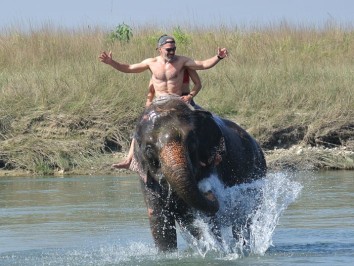
During spring 2026/27, warmer daytime temperatures and firm snow conditions help climbers acclimatize faster, with rhododendron forests in bloom on the lower trail sections. In autumn, post‑monsoon clear skies and cool nights create excellent conditions for both trekking and the final high‑altitude climb.
Monsoon (June–August) is generally not recommended due to heavy rainfall, muddy trails, and avalanche risks, while winter (December–February) brings extreme cold, deep snow, and technical difficulties that make climbing suitable only for very experienced mountaineers.
Permits for Island Peak Climbing 2026/27 include the Island Peak Climbing Permit from the Nepal Mountaineering Association (NMA), Sagarmatha National Park entry permit, and local Khumbu Pasang Lhamu Rural Municipality fee — all typically arranged by your trekking agency.
Planning early is key: climbers should secure permits, Lukla flights, and guided expedition spots well in advance, especially for peak months like April and October, as these dates fill up quickly every season.
Island Peak Climbing (6,189m / 20,305ft), also known as Imja Tse, is considered a moderate to challenging Himalayan climbing expedition, suitable for trekkers with good physical fitness and basic mountaineering skills. The trek involves long daily walks of 5–8 hours, steep ascents, and glacier travel during summit day. Summit attempts require fixed rope climbing, use of crampons, ice axe, and negotiating snow ridges, making it more technical than standard trekking but beginner-friendly compared to higher Himalayan peaks.
Cardiovascular Fitness: Regular jogging, cycling, swimming, or stair climbing 3–4 times per week
Hiking Practice: Multi-day hikes with a loaded backpack (10–15kg) to simulate trekking conditions
Leg & Core Strength: Squats, lunges, step-ups, and core exercises to endure long ascents and descents
Endurance: Long hikes or treadmill sessions to build stamina for 6–10 hour trekking days
High Altitude Preparation: If possible, train at higher altitudes to acclimatize before the expedition
Technical Skills: Practice using trekking poles, crampons, and basic rope techniques (often guided before summit day)
Following a structured training plan greatly increases summit success rate and reduces fatigue and risk of injury during the expedition.
Climb with certified mountain guides who monitor altitude, weather, and health conditions
Follow the principle of “Climb High, Sleep Low” to reduce the risk of altitude sickness
Stay hydrated (3–4 liters/day) and eat high-energy meals
Wear proper climbing gear: helmet, harness, crampons, ice axe, and insulated clothing
Monitor altitude sickness symptoms: headache, nausea, dizziness, shortness of breath
First Aid: Guides carry complete first aid kits, including oxygen for emergencies
Helicopter Evacuation: Available from Lukla, Namche, Pheriche, or Base Camp for severe illness or injury
Communication: Satellite phones or local SIM cards for emergency contact
Altitude Sickness Response: Descend immediately if severe AMS, HACE (high-altitude cerebral edema), or HAPE (high-altitude pulmonary edema) symptoms appear
Weather Safety: Avoid summit attempts in extreme weather conditions; guides assess snow, wind, and avalanche risks
Insurance Requirement: Valid travel insurance covering high-altitude trekking, climbing, and helicopter evacuation is mandatory
By following these safety and emergency guidelines, climbers maximize both summit success and personal safety, ensuring a rewarding Island Peak experience in Nepal.
Booking your Island Peak Climbing expedition in Nepal is simple, secure, and traveler-friendly. To confirm your spot on this Everest region climbing adventure, a minimum deposit of 20–30% of the total trek cost is required. The remaining balance can be paid before the trek starts in Kathmandu via cash, bank transfer, or other agreed payment methods.
All bookings should be made well in advance, especially for peak climbing seasons in spring (March–May) and autumn (September–November), as permits, flights, and guide availability are limited. Once your expedition is confirmed, you will receive a detailed itinerary, packing list, and pre-climb briefing to ensure a smooth and safe journey from Lukla to the Island Peak summit.
Deposit: 20–30% of the total package cost to secure your reservation
Remaining Balance: Paid in Kathmandu before trek departure
Payments cover Island Peak Climbing Permit, Sagarmatha National Park Permit, local fees, professional climbing guides, camping gear, and logistical support
Cancellations 30+ days before departure may qualify for a partial refund (after deducting permit fees and other non-refundable costs)
Last-minute cancellations or no-shows may not be refundable
We recommend travel insurance to cover unforeseen events such as illness, injury, or flight delays
Expedition dates can often be modified based on availability and weather conditions
Guides and organizers provide support for flexible scheduling to accommodate reasonable changes
All climbers must have valid travel insurance covering high-altitude trekking, mountaineering, and helicopter evacuation, which is mandatory for safety during the Island Peak climb.
© 2011 - 2026 All rights reserved. Mountain Mart Treks & Expedition. Developed By: Xenatech Nepal.